
1. UX Directly Impacts Business Success
Good UX is not just a design advantage—it’s a business strategy.
- Better UX leads to higher user retention
- Reduced friction increases conversions
- Fewer user errors lower support and training costs
- Happy users become loyal customers and brand advocates
Studies consistently show that companies investing in UX see higher ROI, increased customer satisfaction, and stronger brand trust.
2. Complexity of Technology Needs Simplicity in Experience
As technology evolves, products are becoming more complex—AI-powered tools, data-heavy dashboards, fintech platforms, and enterprise software are no longer simple systems.
UX design plays a crucial role in:
- Simplifying complex workflows
- Presenting data in a clear, understandable manner
- Guiding users step-by-step through advanced processes
A well-designed UX hides complexity behind simplicity, making even the most advanced technology accessible to everyday users.
3. UX Improves Accessibility and Inclusivity
In today’s digital era, products must cater to diverse users—different ages, abilities, cultures, and technical backgrounds.
UX design ensures:
- Accessibility for users with disabilities
- Clear readability and contrast
- Logical navigation for all skill levels
- Inclusive design that works across devices and environments
Inclusive UX not only expands your user base but also aligns with ethical and legal standards across global markets.
4. UX Reduces Development Risk and Cost
One of the biggest advantages of UX design is that it focuses on validation before development.
Through:
- User research
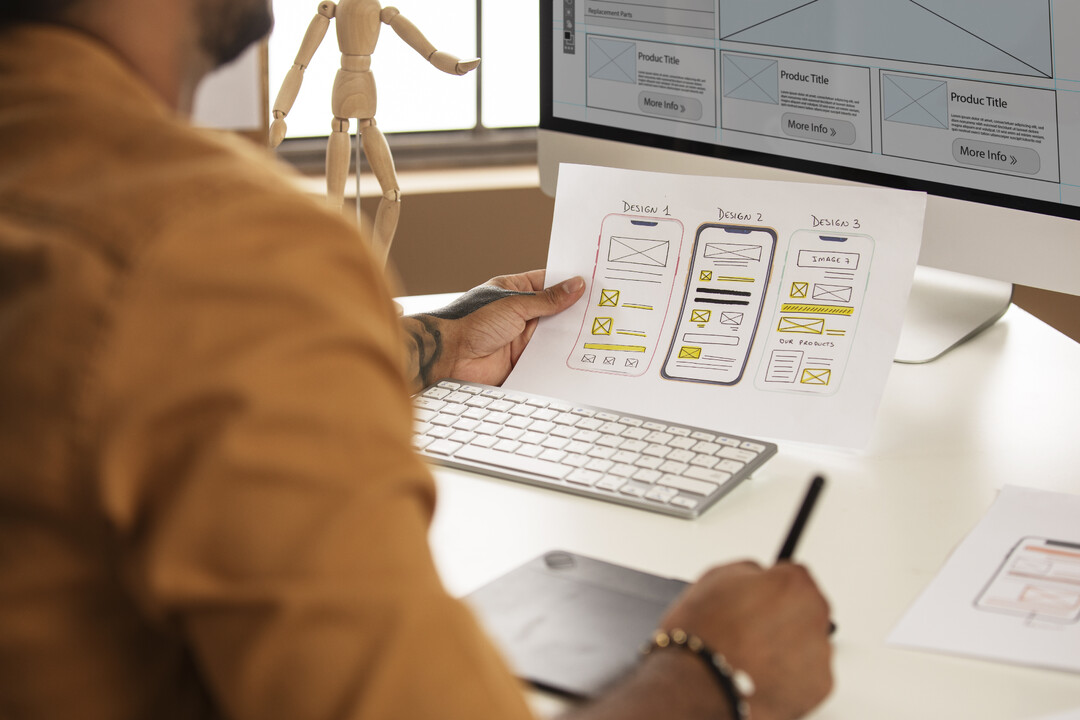
- Wireframing and prototyping
- Usability testing
UX helps identify issues early in the process. Fixing problems at the design stage is significantly cheaper than making changes after development or launch. This reduces rework, saves time, and ensures smoother product delivery.
5. UX Creates Emotional Connection with Users
Great products don’t just work well—they feel right.
UX design shapes how users emotionally connect with a product:
- Trust in a fintech or healthcare app
- Delight while using an entertainment platform
- Confidence when navigating a professional dashboard
When users feel understood and comfortable, they build long-term relationships with the product. This emotional connection is what transforms users into loyal customers.
6. UX Drives Competitive Advantage
In markets where features can be easily copied, experience becomes the true differentiator.
Two products may offer similar functionality, but the one with:\
- Clear onboarding
- Faster task completion
- Better usability
will always win. UX design gives products a competitive edge that is difficult to replicate quickly.
Great products are not just built—they are experienced.

Laxman S Jadaun
Laxman Singh Jadaun is a UI/UX Designer passionate about creating meaningful, user-centric digital experiences. With hands-on experience in product design, he shares insights on UX, design strategy, and the evolving role of experience in today’s tech-driven world.